

Why Facial Ageing Goes Beyond Wrinkles

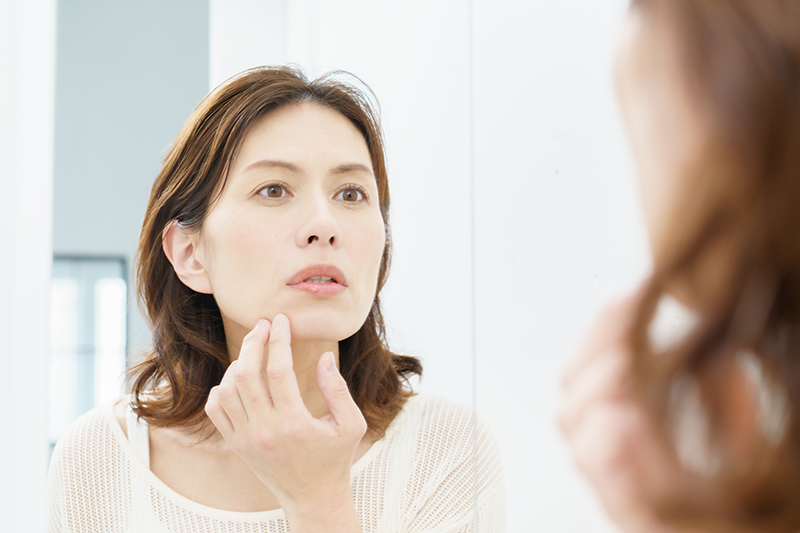
Have you noticed that your face looks different with age, even when wrinkles are not your main concern? Facial ageing does not always appear as obvious lines or creases. You may instead see changes in the shape, fullness or definition of certain features, which can gradually alter your overall appearance.
These changes reflect how the face ages at different levels, rather than what is happening at the skin surface alone. Understanding what is behind these changes can give you a clearer picture of how the face ages and why skincare alone may not address every age-related concern.
Facial Ageing Happens at Multiple Levels
The appearance of your face depends on several layers working together, including the skin, fat, connective tissues, muscles and underlying bone. Ageing can affect each of these at different rates, so the changes you notice are rarely caused by one factor alone.
Genetics, sun exposure, smoking and weight fluctuations can also influence how and when facial ageing becomes noticeable. This is why people of a similar age can develop quite different ageing patterns.
Loss of Facial Volume Can Alter Your Features
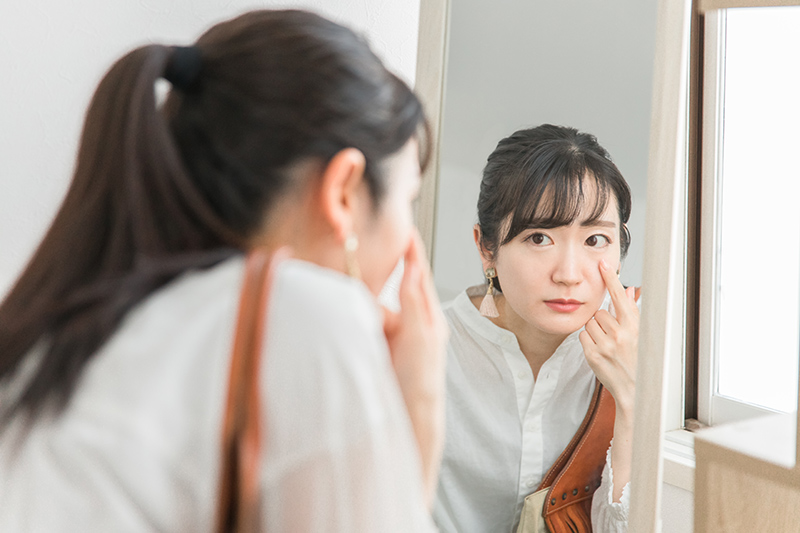
One change that occurs beneath the skin is a gradual loss of facial volume. A younger-looking face is not simply defined by smoother skin, but also by the fullness and proportions that shape its contours.
With age, volume can decrease in areas such as the temples, cheeks and around the eyes. This can create a flatter or more hollow appearance and make existing folds or shadows more noticeable. For example, reduced cheek volume can make the transition between the lower eyelid and cheek appear more pronounced.
Facial Fat Can Shift as You Age
Facial ageing does not involve fat loss alone. The fat compartments beneath your skin can also change in size and position, altering how fullness is distributed across the face.
Some areas may become hollow while others appear heavier. Changes around the lower eyelids can contribute to under-eye bags, while shifts in the lower face may contribute to jowls and reduced jawline definition.
Reduced Skin Firmness Can Lead to Sagging
Alongside these deeper changes, your skin gradually produces less collagen and elastin with age. This reduces its firmness and ability to maintain its shape.
Skin laxity may become noticeable around the cheeks, jawline, neck and eyelids. Rather than appearing as wrinkles alone, ageing skin may become looser or contribute to reduced facial definition. Sun exposure can accelerate these changes by contributing to collagen breakdown over time.
Facial Ligaments Can Affect Tissue Position
Deeper within the face, retaining ligaments help anchor soft tissues in position. As facial tissues change with age, these supporting relationships can also change.
Some tissues may descend while more firmly anchored areas remain relatively fixed. This can contribute to the development of folds and changes in facial contour that cannot be explained by skin ageing alone.
Bone Changes Can Alter Facial Structure
Ageing extends to the underlying facial skeleton. Facial bones gradually remodel throughout adulthood, which can alter the structural support available to the tissues above them.
Changes around the eye sockets, cheeks and jaw can affect facial proportions and how the overlying tissues sit, contributing to gradual changes in the overall shape of the face.
Matching Treatment to Facial Ageing Changes
There is no single treatment for every aspect of facial ageing. The appropriate approach depends on the changes affecting your face and how pronounced they are.
Dermal fillers may be considered for volume loss, while Ultherapy, Thermage or thread lifts can address selected concerns involving skin laxity or tissue descent. For more pronounced ageing changes, facelift surgery may be considered to reposition deeper tissues and remove excess skin.
A facial assessment can help determine which treatment, or combination of treatments, is appropriate for your concerns.
Understanding Your Facial Ageing with Dr Colin Tham
What may appear to be a simple change in your appearance is not always a surface-level concern. Looking at the face as a whole can provide a more accurate understanding of what has changed and whether treatment needs to extend beyond skincare.
At Colin Tham Plastic Surgery in Singapore, facial rejuvenation is led by Dr Colin Tham, with treatment recommendations tailored to your facial anatomy, concerns and goals. If you are considering treatment for signs of facial ageing, schedule a consultation to discuss the options that may be appropriate for you.
FAQs About Facial Ageing
At what age does facial ageing usually become noticeable?
There is no fixed age because facial ageing develops differently for everyone. Genetics, sun exposure, lifestyle and facial anatomy can affect when changes become visible. Some people notice volume or contour changes before developing prominent wrinkles.Can facial ageing be different on each side?
Yes. Natural facial asymmetry can become more noticeable as you age. Differences in anatomy, habitual facial movements, sun exposure and sleeping patterns may contribute to one side appearing slightly different from the other.Does facial ageing continue after aesthetic treatment?
Yes. Surgical and non-surgical treatments do not stop the biological ageing process. Your skin, soft tissues and underlying structures will continue to change over time, although treatment may improve specific existing concerns.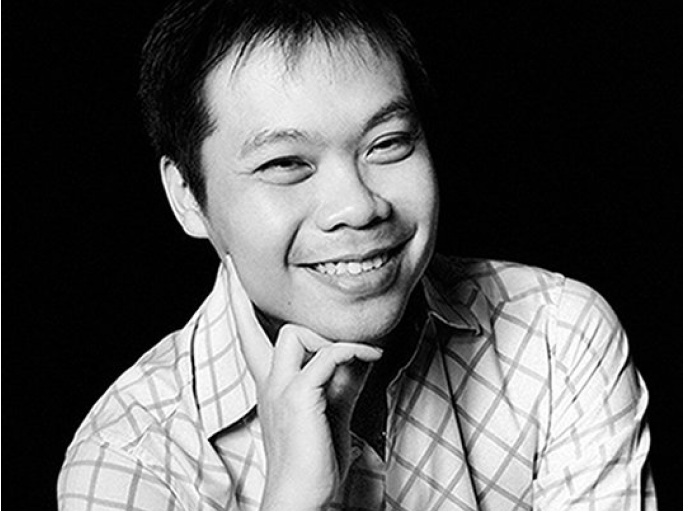
About Our Plastic Surgeon
Consultant Plastic & Cosmetic Surgeon MB ChB (Aberdeen), FRCS (Ireland), FAMS
Dr Colin Tham is an MOH-accredited plastic surgeon in Singapore with expertise in aesthetic and reconstructive procedures. After obtaining his Bachelor of Medicine and Surgery from the University of Aberdeen, Scotland, Dr Tham specialised in plastic surgery. He set up the Aesthetic Centre in Singapore’s premier KK Women’s and Children’s Hospital, where he continues to serve as a visiting consultant. Dedicated to achieving natural-looking results, Dr Tham has been involved in the development of several non-invasive aesthetic procedures. Recognised for his expertise, Dr Tham is frequently invited to train doctors internationally, contributing to the global development of aesthetic medicine.