

Rhinoplasty (Nose Job Surgery) in Singapore

Medically Reviewed by Dr Colin Tham
Consultant Plastic & Cosmetic Surgeon MB ChB (Aberdeen), FRCS (Ireland), FAMS
The nose plays a central role in facial balance and appearance. Concerns such as a prominent nasal hump, a wide bridge, a drooping nasal tip, or breathing difficulties can affect both aesthetics and function. Dr Colin Tham assesses each patient's nasal anatomy and treatment goals before performing rhinoplasty to refine the shape of the nose, improve facial harmony, and address functional concerns where appropriate.
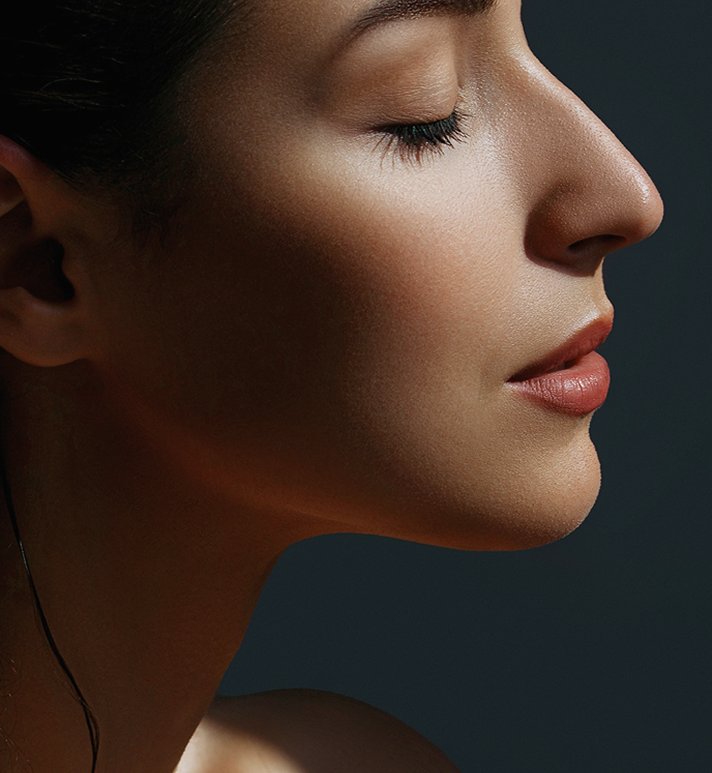
What Is Rhinoplasty?
Rhinoplasty, commonly known as a nose job, is a surgical procedure that reshapes the nose to improve facial balance, nasal proportions, or breathing function. Depending on the patient's concerns, rhinoplasty may be performed for cosmetic enhancement, functional correction, or a combination of both.
Rhinoplasty may help address:
- A prominent nasal hump
- A wide, low, or asymmetrical nasal bridge
- A bulbous, drooping, or poorly defined nasal tip
- Crookedness or nasal asymmetry
- Wide nostrils or excessive alar flare
- Breathing difficulties caused by structural issues
- Changes to the nose following injury or previous surgery
Suitable candidates are generally in good overall health, have realistic expectations, and are seeking improvement rather than perfection. During a consultation, Dr Colin Tham will assess your nasal anatomy, skin thickness, facial proportions, and treatment goals to determine whether rhinoplasty is appropriate and what outcomes may realistically be achieved.
Rhinoplasty Vs Septoplasty Vs Alarplasty
Although all three procedures involve the nose, they are designed to address different concerns and achieve different outcomes.
Rhinoplasty
Rhinoplasty reshapes the nose to improve facial balance, nasal proportions, or both aesthetic and functional concerns. It may address issues such as a dorsal hump, a wide or low nasal bridge, a bulbous nasal tip, or nasal asymmetry.
Septoplasty is performed to correct a deviated nasal septum and improve airflow through the nasal passages. The primary goal is to address breathing difficulties rather than alter the external appearance of the nose.
Alarplasty focuses on reducing the width or flare of the nostrils to improve nasal proportions. It is often performed as a standalone procedure or combined with rhinoplasty to achieve a more balanced nasal appearance.
Some patients may benefit from a combination of procedures. During a consultation, Dr Colin Tham will assess your nasal anatomy, breathing concerns, and treatment goals to determine the most appropriate surgical approach.
What Are the Types of Rhinoplasty?
Rhinoplasty can be performed using different techniques depending on the patient's anatomy, treatment goals, and whether cosmetic or functional concerns are being addressed.
Open Rhinoplasty
In this approach, a small incision is made across the columella (the strip of tissue between the nostrils), allowing the surgeon to lift the skin and access the underlying nasal structures. Open rhinoplasty provides maximum visibility and precision, making it ideal for complex reshaping, major revisions, or significant structural corrections.
Closed Rhinoplasty
Also known as endonasal rhinoplasty, this technique involves incisions made entirely within the nostrils, leaving no external scars. While it offers a faster recovery and less post-operative swelling, it is typically suited for less complex adjustments, such as minor refinements or hump reduction.
Functional Rhinoplasty
Functional rhinoplasty focuses on improving nasal airflow and correcting structural issues that affect breathing, such as a deviated septum, enlarged turbinates, or collapsed nasal valves. Functional correction may be performed on its own or combined with cosmetic rhinoplasty where appropriate.
Revision Rhinoplasty
Also called secondary rhinoplasty, this procedure is performed to correct or improve the results of a previous nose surgery. Because it involves altered anatomy and scar tissue, revision rhinoplasty is often more complex and requires a highly skilled and experienced surgeon.
Ethnic and Asian Rhinoplasty
Ethnic rhinoplasty is designed to enhance nasal appearance while respecting and preserving each patient's natural ethnic characteristics. Treatment planning takes into account differences in nasal anatomy, skin thickness, bridge height, tip projection, and overall facial proportions to achieve balanced and natural-looking results.
Non-Surgical Rhinoplasty
Non-surgical rhinoplasty uses dermal fillers to improve minor contour irregularities or asymmetries of the nose without surgery. While it may provide temporary aesthetic improvement in selected cases, it cannot reduce the size of the nose, correct structural concerns, or address breathing difficulties.
What To Expect Before, During And After Rhinoplasty?
Before Rhinoplasty
Your consultation will include an assessment of your nasal anatomy, skin thickness, facial proportions, breathing function, and treatment goals. This helps determine whether rhinoplasty is appropriate and which surgical approach may be most suitable.
You will also have the opportunity to discuss expected outcomes, recovery, potential risks, and whether any complementary procedures may be beneficial.
During Rhinoplasty
Rhinoplasty is typically performed under general anaesthesia and may take between 1 and 3 hours, depending on the complexity of the procedure. The surgeon will reshape the underlying bone, cartilage, and soft tissues to achieve the planned aesthetic or functional outcome.
Depending on the treatment plan, additional procedures such as septoplasty may be performed during the same operation.
Post-Surgery And Recovery
Swelling, bruising, nasal congestion, and mild discomfort are common during the early stages of recovery and generally improve over the following weeks. A nasal splint may be applied to help support the newly shaped nose during healing.
Most patients can return to light daily activities within 1 to 2 weeks, although residual swelling may take several months to fully resolve. Follow-up appointments are important to monitor healing and assess the surgical outcome.
Recovery Stage | What to Expect |
|---|---|
| Day of Surgery | Rhinoplasty is performed under general anaesthesia. Patients typically return home on the same day with a nasal splint in place. |
| Days 1–3 | Swelling, bruising, nasal congestion, and mild discomfort are most noticeable during this period. Rest with your head elevated and avoid strenuous activity. |
| Days 4–7 | Bruising and swelling gradually begin to improve. A follow-up appointment may be scheduled to assess healing and remove dressings where required. |
| Week 2 | Most visible bruising has resolved, and many patients feel comfortable returning to work or social activities. |
| Weeks 3–4 | Swelling continues to decrease, and the nose begins to take on a more refined appearance. Light exercise may be resumed if approved by your surgeon. |
| Months 2–3 | The majority of swelling has settled, although subtle swelling—particularly around the nasal tip—may still be present. |
| 6–12 Months | Final results gradually become more apparent as residual swelling resolves and the nose continues to refine. |
Sculpt The Perfect Nose For You With Dr Colin Tham
Rhinoplasty may be considered for individuals seeking to improve the appearance, proportions, or function of the nose. Whether the goal is to refine the nasal bridge, enhance tip definition, improve facial balance, or address breathing concerns, treatment should be tailored to each individual's anatomy and aesthetic goals.
At Colin Tham Plastic Surgery, rhinoplasty procedures are planned with careful consideration of facial proportions, nasal structure, and functional needs. From consultation and surgical planning to recovery and follow-up care, patients receive personalised guidance throughout their treatment journey.
If you are considering rhinoplasty in Singapore, schedule a consultation with Dr Colin Tham to discuss your concerns and explore the most suitable treatment options.
Frequently Asked Questions About Rhinoplasty
Rhinoplasty is performed under general anaesthesia, so patients do not feel pain during the procedure. After surgery, it is common to experience mild discomfort, nasal congestion, and swelling during the initial recovery period. These symptoms can usually be managed with prescribed medications and tend to improve within the first few days.
The visibility of scarring depends on the surgical technique used. Closed rhinoplasty is performed through incisions inside the nostrils and does not leave visible external scars. Open rhinoplasty involves a small incision on the columella, which typically fades and becomes less noticeable as healing progresses.
Swelling is a normal part of the recovery process and is most noticeable during the first few weeks after surgery. While a significant amount of swelling improves within the first few months, subtle swelling—particularly around the nasal tip—may take up to a year to fully resolve.
Yes. Rhinoplasty may be performed to address structural issues that affect airflow and breathing. In some cases, functional correction may be combined with cosmetic rhinoplasty to improve both nasal appearance and function.
Rhinoplasty results are generally long-lasting. Once the nose has healed, the changes made during surgery are typically permanent, although natural ageing and changes to surrounding facial tissues may continue over time.
Many patients are able to return to work or school within 1 to 2 weeks, depending on the nature of their activities and individual recovery progress. Residual swelling may continue to improve over the following months.
Non-surgical rhinoplasty uses dermal fillers to improve minor contour irregularities or asymmetries without surgery. However, fillers cannot reduce the size of the nose, correct structural concerns, or address breathing difficulties. Results are temporary and require maintenance treatments.
Yes. Rhinoplasty may be combined with procedures such as septoplasty, alarplasty, or chin augmentation where appropriate. Combining procedures may help achieve more balanced facial proportions while reducing the need for multiple recovery periods.
As with any surgical procedure, rhinoplasty carries potential risks and complications. These may include swelling, bruising, bleeding, infection, scarring, asymmetry, breathing changes, delayed healing, dissatisfaction with aesthetic outcomes, and the need for revision surgery.
You should seek medical attention promptly if you experience worsening pain, heavy bleeding, fever, signs of infection, or symptoms that feel unusual during recovery.
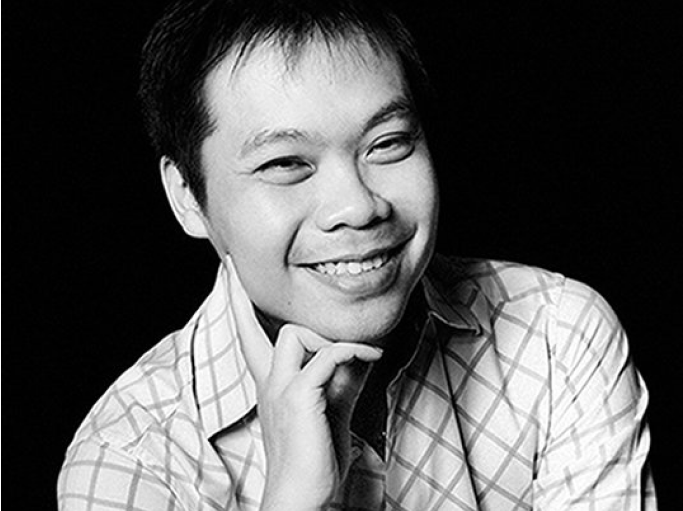
Rhinoplasty Surgeon in Singapore
Dr Colin Tham
Consultant Plastic & Cosmetic Surgeon MB ChB (Aberdeen), FRCS (Ireland), FAMS
Dr Colin Tham is an experienced plastic surgeon skilled in performing rhinoplasty, also known as nose reshaping surgery. He is accredited by the Ministry of Health in Singapore and has over 20 years of experience in the field. Dr Tham received extensive plastic surgery training in Scotland, Taiwan, and Singapore; and is committed to achieving natural-looking results that complement each patient's facial proportions and aesthetic goals.