

Breast Augmentation in Singapore
Our Approach to Breast Augmentation Surgery
Breast augmentation is a highly personalised procedure designed to enhance breast shape and volume while maintaining natural-looking proportions. Dr Colin Tham is a Ministry of Health-accredited Consultant Plastic and Cosmetic Surgeon with over 20 years of experience in aesthetic and reconstructive surgery. He works closely with each patient to develop a treatment plan tailored to their anatomy and aesthetic goals.

Dr Colin Tham
Consultant Plastic & Cosmetic Surgeon MB ChB (Aberdeen), FRCS (Ireland), FAMS
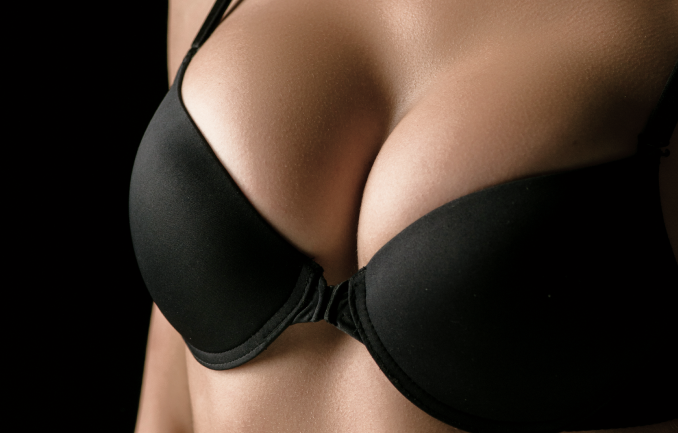
What Is Breast Augmentation And Why Is It Done?
Breast augmentation, also known as augmentation mammoplasty, is a cosmetic surgical procedure
designed to enhance the size, shape, or fullness of the breasts.
It is one of the most commonly performed aesthetic surgeries worldwide and can be achieved using
breast implants or fat transfer techniques. Breast augmentation may be desired to enhance breast
volume, restore fullness lost following weight loss, pregnancy or breastfeeding, improve breast
symmetry or as part of breast reconstruction following a mastectomy, trauma or certain
congenital conditions.
In Singapore, breast augmentation is performed using breast implants or fat transfer techniques, as breast fillers are not approved by the Ministry of Health due to safety concerns and potential complications.
What are the Benefits of Breast Augmentation?
Breast augmentation offers a wide range of physical and emotional benefits, such as:
Enhanced body contour
Creates a more balanced silhouetteImproved clothing fit
Allows for a better fit in dresses, swimwear and bras.Restored breast volume
Helps restore volume lost following pregnancy, breastfeeding or significant weight loss.Improved breast symmetry
Helps balance differences in breast size or shapeIncreased Confidence
May improve self-confidence and overall satisfaction with one's appearance.Reconstructive support
Assists in restoring breast shape and volume following a mastectomy or traumatic injury.
Who is a Suitable Candidate for Breast Augmentation?
Not everyone is an ideal candidate for breast augmentation. A thorough evaluation helps determine suitability. Generally, candidates should:
- Be in good overall health
- Have fully developed breasts
- Be a non-smoker or willing to stop smoking before and after surgery
- Have realistic expectations of the results
- Seek breast augmentation for personal, reconstructive or corrective reasons
- Not be pregnant or breastfeeding
What are the Methods of Breast Augmentation?
There are two main techniques used in breast augmentation: breast implants and fat transfer breast augmentation. The most suitable approach depends on factors such as your anatomy, desired breast size, available body fat and aesthetic goals. During your consultation, your plastic surgeon will discuss the advantages, limitations and expected outcomes of each method before recommending a personalised treatment plan.
Breast Implants
Breast implant augmentation is the most commonly performed breast augmentation procedure worldwide. It involves the placement of silicone or saline implants to enhance breast volume, improve breast shape and achieve a fuller breast appearance. Depending on the patient's anatomy and treatment goals, implants may be placed either beneath the breast tissue or under the chest muscle.
Fat Transfer Breast Augmentation
Fat transfer breast augmentation, also known as autologous fat grafting, enhances breast volume using the patient's own fat rather than implants. Fat is harvested from another area of the body and transferred to the breasts, making this an option for women seeking a modest increase in breast size with a natural look and feel.
Feature | Breast Implants | Fat Transfer Breast Augmentation |
|---|---|---|
| Material Used | Silicone or saline implants | Patient's own fat |
| Volume Enhancement | Moderate to significant increase in breast size | Modest increase in breast size |
| Feel and Appearance | Natural-looking results with a range of implant options | Natural look and feel using existing body tissue |
| Donor Area Required | No | Yes, fat is harvested via liposuction |
| Predictability of Results | Generally more predictable | Some transferred fat may be reabsorbed by the body |
| Scarring | Small surgical incisions required | Small liposuction and injection-site incisions |
| Suitable For | Patients seeking a more noticeable increase in breast volume | Patients seeking subtle enhancement without implants |
Note: The most suitable implant type, placement technique and incision location will be determined during your consultation based on your anatomy, lifestyle and aesthetic goals. Your plastic surgeon will recommend an approach that balances safety, aesthetics and long-term outcomes.
Common Types of Breast Implants in Singapore
Breast implants vary in terms of material, shape, size, and texture. The most common types include:
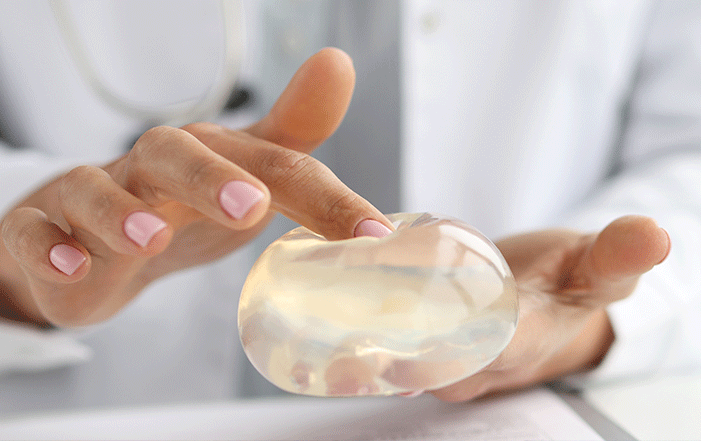
Silicone Implants
Silicone implants are filled with a cohesive silicone gel that closely resembles the feel of natural breast tissue. They are known for their soft, natural feel and are less prone to visible rippling than saline implants. As silicone implants are pre-filled, they typically require a slightly larger incision for placement. While implant rupture may not always be immediately noticeable, many patients choose silicone implants for their natural appearance and feel.
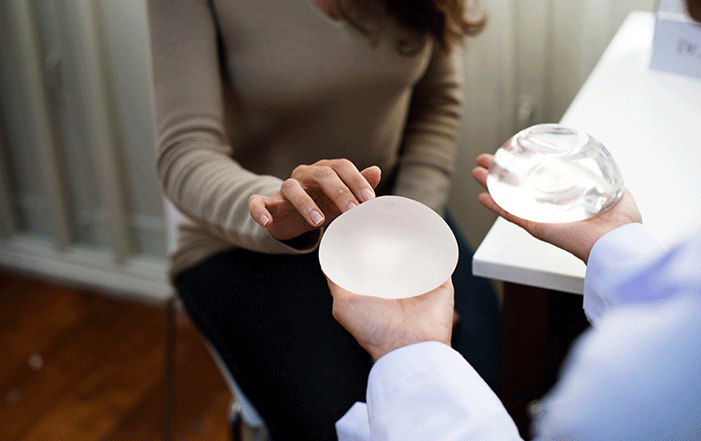
Saline Implants
Saline implants are filled with a sterile saltwater solution and are inserted empty before being filled during surgery. This allows for smaller incisions and minor adjustments to implant volume during the procedure. In the event of a rupture, the saline is safely absorbed by the body and the implant visibly deflates. However, saline implants may feel less natural and are generally more prone to wrinkling or rippling than silicone implants.
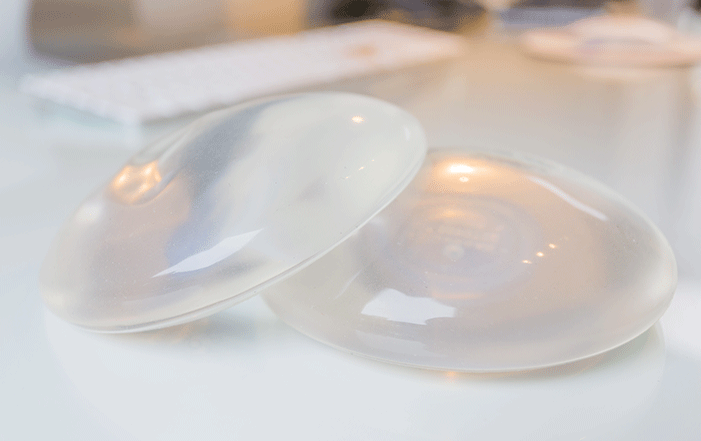
Round Implants
Round implants are symmetrical in shape and are designed to provide fuller upper breast volume and enhanced cleavage. Available in both silicone and saline options, they remain a popular choice for patients seeking a more prominent breast profile. As their shape is uniform, implant rotation does not affect the appearance of the breast.
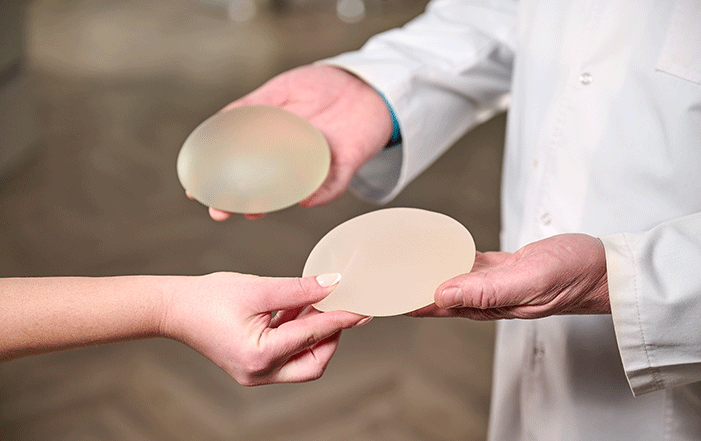
Smooth Implants
Smooth implants feature a polished outer shell that allows them to move more freely within the breast pocket, contributing to a softer and more natural feel. They are commonly used in round implant designs, where implant movement does not affect breast shape. While smooth implants may shift slightly over time, they generally provide natural-looking movement within the breast.
The Motiva JOY™ & Mentor MemoryGel Implantst
At our practice, we are pleased to offer the Motiva JOY™ programme, which includes:
- Ergonomix2 implants designed to provide a soft, natural feel
- Always Confident Warranty® against implant rupture
- Product replacement policy for eligible cases of capsular contracture (Baker Grade III and IV)
- Extended warranty coverage for selected implants
- Motiva MinimalScar® and Motiva Sleeve® technology designed to facilitate implantation
Another notable breast implant that we carry is the Mentor MemoryGel implant, which:
- Fifth-generation cohesive silicone gel implant
- Designed to mimic the feel of natural breast tissue
- Fixed fill volume for consistent shape and volume
- Multiple projection options to suit different body types
- Available in a range of implant profiles
- Established clinical track record worldwide
What to Expect: Consultation to Recovery
Understanding the breast augmentation journey can help you feel more prepared and confident about your treatment. While every patient's experience is unique, the process typically involves the following stages:
Consultation And Assessment
Your journey begins with a consultation to discuss your concerns, aesthetic goals and medical history. During this appointment, your plastic surgeon will assess your anatomy, determine your suitability for breast augmentation and recommend the most appropriate treatment approach.
Visualisation
Patients may have the opportunity to try on implant sizers or use 3D imaging technology to visualise potential outcomes. This collaborative process helps guide decisions regarding implant size, shape and overall treatment goals.
Preparation For Surgery
Prior to surgery, patients will receive personalised pre-operative instructions, which may include:
- Avoiding certain medications and supplements as advised
- Stopping smoking and alcohol consumption
- Completing any required health assessments
- Fasting before surgery
- Preparing loose, comfortable clothing for after the procedure
Patients should also arrange for someone to accompany them home following discharge.
The Operation
Breast augmentation is typically performed under general anaesthesia, meaning patients are asleep throughout the procedure and generally do not feel or remember the surgery. Depending on the chosen technique and complexity of the case, surgery may take between 1 and 4 hours. In most cases, patients are able to return home on the same day following a period of observation and recovery.
Recovery
Recovery varies depending on the type and complexity of the procedure performed. Swelling, bruising and mild discomfort are common during the initial healing period and generally improve within the first few weeks. Most patients are able to return to work within 2 to 4 days, although strenuous activities and exercise should be avoided until advised by the surgeon.
For both breast implants and fat transfer breast augmentation, patients may notice an improvement in breast volume soon after the procedure. However, final results typically continue to develop over the following weeks to months as swelling subsides and the breasts settle into their final shape.
Patients will also receive personalised post-operative care instructions, which may include wearing a surgical support bra and performing gentle breast massage when recommended by the surgeon.
Schedule a consultation to discuss your personalised treatment plan.
FAQs About Breast Augmentation in Singapore
We usually use implants made by Motiva or Mentor. They come with lifetime warranties against breakage. As long as there are no problems with the implants, they generally do not have to be replaced even after many years.
Breast augmentation is typically performed under general anaesthesia and usually takes about one hour, although this may vary depending on the procedure. Most patients are discharged on the same day and generally do not feel or remember the surgery due to the effects of anaesthesia.
As with any surgery, breast augmentation carries potential risks, including infection, pain, capsular contracture, implant rupture and implant displacement. Certain textured implants have also been associated with a rare condition known as breast implant-associated anaplastic large cell lymphoma (BIA-ALCL). Your surgeon will discuss these risks during consultation.
Yes, breast implants can feel natural depending on factors such as implant type, size and placement. Silicone implants are generally considered to provide a more natural feel, while careful implant selection and positioning can help achieve a natural-looking result that complements your anatomy.
Breast implants may gradually change position over time due to ageing, gravity, weight fluctuations and changes in breast tissue. However, the extent varies between individuals. During recovery, it is also normal for implants to settle into a more natural position as swelling subsides.
Pain and discomfort are normal during the first few days after breast implant surgery. However, your doctor will prescribe proper pain relief medications, post-operative care instructions and follow-up appointments to ensure that you are healing properly as intended.
Many women are able to breastfeed after breast augmentation. However, the ability to breastfeed depends on factors such as surgical technique, implant placement and individual anatomy. During your consultation, your plastic surgeon can discuss any concerns regarding future breastfeeding and treatment planning.
Yes. Breast implants do not prevent mammograms, but technicians should be informed so that additional imaging views (Eklund technique) can be taken to ensure complete breast tissue visualisation. Regular breast screening should continue after augmentation.
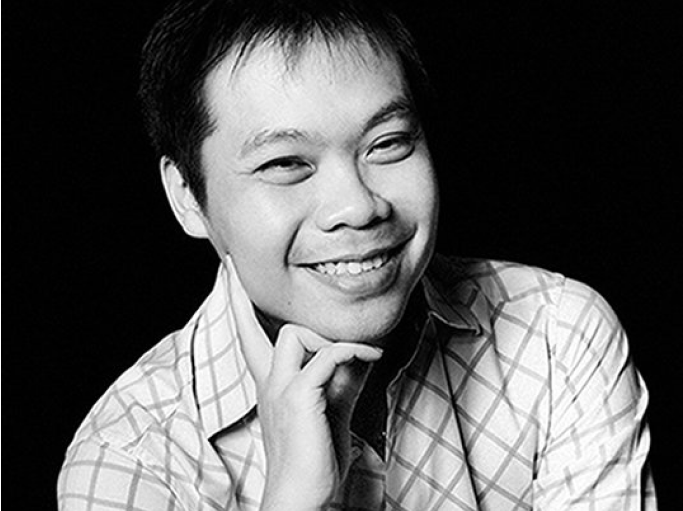
Breast Augmentation Surgeon in Singapore
Dr Colin Tham
Consultant Plastic & Cosmetic Surgeon MB ChB (Aberdeen), FRCS (Ireland), FAMS
Dr Colin Tham is an experienced plastic surgeon skilled in performing breast augmentation surgeries. He is accredited by the Ministry of Health in Singapore and has over 20 years of experience in the field. Dr Tham received extensive plastic surgery training in Scotland, Taiwan, and Singapore; and is committed to providing beautiful and natural-looking outcomes for all his patients.