

Double Eyelid Surgery in Singapore
Our Approach to Double Eyelid Surgery
Double eyelid surgery is one of the most commonly performed cosmetic procedures in Singapore and across Asia. At Colin
Tham Plastic Surgery, we believe that every procedure should be tailored to the patient's unique anatomy and aesthetic
goals.
Dr Colin Tham is a Ministry of Health-accredited Consultant Plastic and Cosmetic Surgeon with over 20 years of
experience in aesthetic and reconstructive surgery. He takes a personalised approach to double eyelid surgery to achieve
natural-looking results that complement each patient's facial features.
Dr Colin Tham
Consultant Plastic & Cosmetic Surgeon MB ChB (Aberdeen), FRCS (Ireland), FAMS
What Is Double Eyelid Surgery?
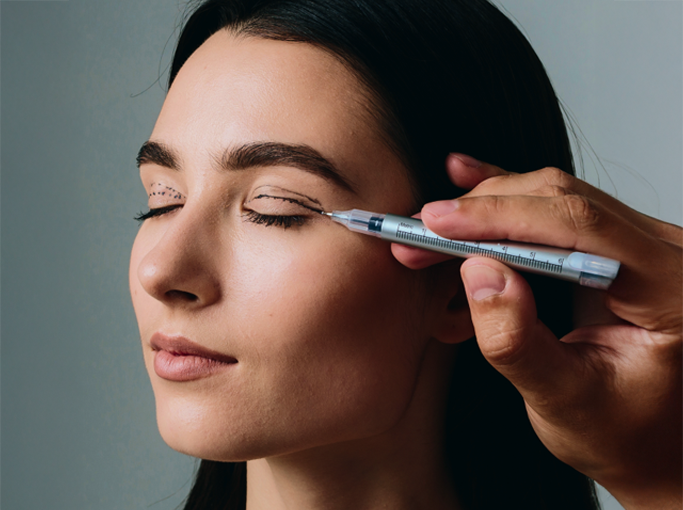
Double eyelid surgery, also known as Asian blepharoplasty, is a cosmetic procedure that creates or enhances a visible crease in the upper eyelid. Depending on the individual's anatomy and goals, the procedure may be performed for aesthetic enhancement or to address functional concerns caused by excess eyelid skin.
Common reasons for undergoing double eyelid surgery include:
- Creating or enhancing an upper eyelid crease
- Improving eyelid definition and eye appearance
- Improving symmetry between the eyes
- Enhancing facial harmony and balance
- Reducing upper eyelid heaviness or hooding
- Addressing visual obstruction caused by excess eyelid skin
Types of Double Eyelid Creases
Double eyelid creases can vary in shape and appearance. The most suitable crease pattern depends on factors such as your anatomy, facial features and aesthetic preferences.
-
Parallel Crease
A parallel crease runs evenly across the upper eyelid, maintaining a consistent distance from the lash line. This crease style creates a more defined eyelid appearance and is often associated with larger, more open-looking eyes. -
Tapered Crease
A tapered crease gradually narrows towards the inner corner of the eye, blending naturally into the eyelid. It is a popular choice for patients seeking a softer and more subtle appearance. -
Partial Crease
A partial crease is present only along part of the upper eyelid, typically extending from the middle to the outer corner of the eye. Some patients prefer to enhance this crease for greater definition, while others choose to maintain its naturally subtle appearance.
Who Is A Suitable Candidate For Double Eyelid Surgery?
You may be a suitable candidate for double eyelid surgery if you:
- Are in good overall health
- Have realistic expectations of the procedure
- Wish to create or enhance an upper eyelid crease
- Are concerned about asymmetrical eyelids or eyelid creases
- Experience excess upper eyelid skin that affects eye appearance or function
- Do not have any active eye infections or untreated eye conditions
Double eyelid surgery can be suitable for both men and women. During your consultation, Dr Colin Tham will assess your anatomy, discuss your goals and determine whether the procedure is appropriate for your needs.
Double Eyelid Surgery Vs. Blepharoplasty: What's The Difference?
Double eyelid surgery creates or enhances a crease in the upper eyelid, resulting in a defined double eyelid. Blepharoplasty is a broader term that refers to eyelid surgery in general and may be performed for cosmetic enhancement or functional improvement. While double eyelid surgery is one type of blepharoplasty, other procedures can address concerns such as drooping eyelids, excess skin, under-eye bags and eye shape.
Other Types of Blepharoplasty
- Lower Eyelid Blepharoplasty – Lower eyelid blepharoplasty reduces under-eye bags and puffiness by repositioning or removing excess fat and skin, resulting in a smoother and more refreshed appearance.
- Upper Eyelid Blepharoplasty – Upper eyelid blepharoplasty removes excess skin and tissue from the upper eyelid. It may be performed to improve eyelid appearance or address visual obstruction caused by drooping skin.
- Ptosis Surgery (Droopy Eyelid Surgery) – Ptosis surgery corrects drooping of the upper eyelid caused by weakness of the muscles responsible for lifting the eyelid. The procedure can improve both eyelid position and visual function.
- Epicanthoplasty (Inner Eyelid Surgery) – Epicanthoplasty modifies the epicanthal fold at the inner corner of the eye to create a more open appearance and improve the visibility of the inner eye.
- Lateral Canthoplasty – Lateral canthoplasty reshapes or extends the outer corner of the eye to create a longer and more defined eye shape.
- Glamorous Line Surgery – Glamorous line surgery modifies the lower eyelid contour to create a softer and larger-looking eye appearance, often by increasing the visible white area beneath the iris.
- Love Band Surgery – Love band surgery enhances the natural fullness beneath the lower eyelashes, creating a youthful and expressive appearance around the eyes.
Types Of Double Eyelid Surgery
There are two main techniques used to create a double eyelid crease. The most suitable option depends on factors such as your eyelid anatomy, skin thickness and aesthetic goals.
Consideration | Incisional (Cutting) Method | Non-Incisional (Scarless/Suture) Method |
|---|---|---|
| Technique | Creates a crease through a small incision in the upper eyelid. Excess skin, fat or muscle may also be removed if required. | Uses buried sutures to create a crease without making an incision. |
| Best For | Patients with thick, oily or droopy eyelids, excess skin or significant asymmetry. | Patients with thinner eyelid skin and minimal excess fat. |
| Results | Permanent and generally more predictable. | Long-lasting but may be less durable in some patients. |
| Recovery Time | Approximately 1-2 weeks of visible swelling and bruising. | Typically 3-5 days of recovery. |
| Advantages | Can address excess skin, asymmetry and more complex eyelid concerns. | Less invasive, minimal scarring and shorter recovery time. |
| Considerations | Longer recovery period and a more involved procedure. | May not be suitable for patients with excess skin or droopy eyelids. |
What To Expect: Consultation To Recovery
Consultation
During your consultation, Dr Colin Tham will assess your eye anatomy, skin thickness and muscle tone before discussing your aesthetic goals and preferred eyelid crease design. Based on your facial features and desired outcome, he will recommend the most suitable surgical technique.
Patients may also be shown examples or visual references to help communicate their expectations and facilitate treatment planning.
Preparation For Surgery
Prior to surgery, patients may be advised to:
- Stop smoking and avoid alcohol consumption before and after surgery
- Avoid certain medications and supplements as instructed
- Refrain from eating or drinking for at least 8 hours before surgery
- Arrange for a family member or friend to accompany them home after the procedure
- Prepare cold compresses and any prescribed medications for recovery
Surgery Day
Double eyelid surgery typically takes between 30 minutes and 1.5 hours, depending on the technique used and complexity of the procedure. It is commonly performed under local anaesthesia, with sedation used in selected cases. Most patients are able to return home on the same day.
Recovery
Swelling and bruising are common following double eyelid surgery and are usually most noticeable during the first few days after the procedure. Patients may also experience mild discomfort, tightness, itching and temporary redness along the incision or suture sites. For incisional procedures, the eyelid crease may initially appear more prominent or slightly uneven before settling as healing progresses.
Most patients are able to return to work or school within 5 to 7 days, although recovery varies depending on the technique used and individual healing patterns. Final results typically continue to refine over the following weeks, with the crease becoming more natural as residual swelling subsides.
Post-operative care may include:
- Keeping the eyelids clean and dry
- Applying prescribed medications or antibiotic ointments
- Avoiding contact lenses and eye makeup during the initial healing period
- Sleeping with the head elevated to minimise swelling
- Wearing sunglasses outdoors to protect the eyes from wind and sun exposure
- Avoiding strenuous activities and excessive eye strain where possible
Dr Colin Tham will guide you through the available options and recommend the most suitable approach for your needs.
Frequently Asked Questions About Double Eyelid Surgery in Singapore

Double Eyelid Surgeon in Singapore
Dr Colin Tham
Consultant Plastic & Cosmetic Surgeon MB ChB (Aberdeen), FRCS (Ireland), FAMS
Dr Colin Tham is an experienced plastic surgeon skilled in performing double eyelid surgeries. He is accredited by the Ministry of Health in Singapore and has over 20 years of experience in the field.
Dr Tham received extensive plastic surgery training in Scotland, Taiwan, and Singapore; and is committed to providing beautiful and natural-looking outcomes for all his patients.