

Understanding Nose Shape and Facial Harmony

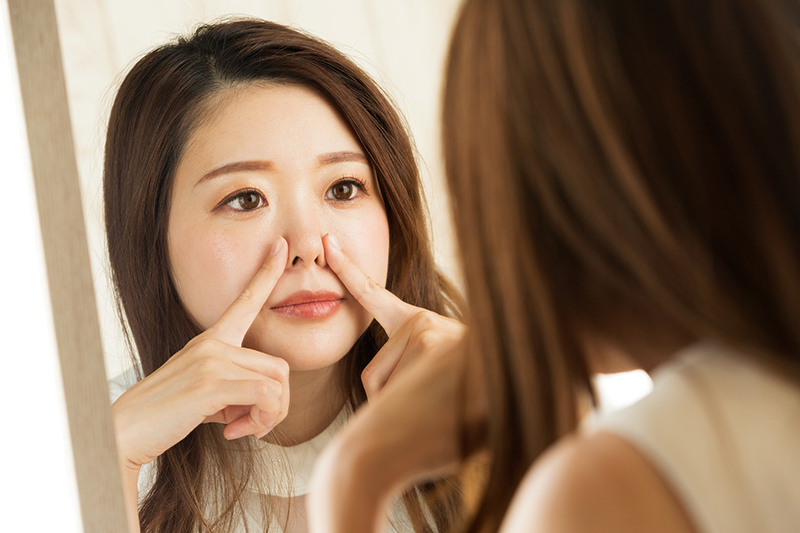
A nose shape that looks attractive on someone else may not necessarily have the same effect on your own face. Even when you have a clear idea of what you would like to refine, knowing what will look natural and balanced can be less straightforward.
This is because changing the nose can influence more than the appearance of the nose itself. Taking a broader view of your features can help you approach any potential changes with clearer and more realistic expectations.
Facial Balance Depends on Overall Proportion
There is no single nose shape that is considered balanced for every face. The appearance of your nose depends partly on how its size and shape relate to your other facial features.
A nose that appears prominent on a smaller or narrower face may look proportionate on a face with stronger features. Balance is therefore less about achieving an ideal nose and more about how naturally it fits within your overall facial proportions. For this reason, cosmetic rhinoplasty considers the nose in the context of the whole face rather than treating it as an isolated feature.

How Different Parts of the Nose Affect Its Shape
The nose is made up of several features that collectively determine its shape. Assessing each area helps identify where an apparent imbalance originates and how changing one feature may affect the others.
Nasal Bridge
The height, width and shape of the bridge influence how prominent the nose appears from the front and side. A low bridge, prominent hump or crooked bridge can each affect its overall proportions.Nasal Tip
Tip projection, rotation and definition shape the lower portion of the nose. A bulbous, drooping, upturned or prominent tip can alter the overall nasal profile.Nostrils and Nasal Base
The width and shape of the nostrils influence how broad the nose appears from the front. Flared or wider nostrils, for example, can make the nasal base more prominent. These features need to be assessed together because changing one area can affect the proportions of the nose as a whole.Facial Profile Can Change How the Nose Is Perceived
Facial harmony also needs to be considered from the side. From this angle, the relationship between the forehead, nose, lips and chin becomes particularly important.
For example, a relatively small or recessed chin can make the nose appear more prominent even when the nose itself is not particularly large. Conversely, stronger chin projection can change how the same nasal profile is perceived.
Assessing the profile as a whole can help determine whether a concern relates primarily to the nose or is influenced by surrounding facial proportions.
Nasal Anatomy Influences What Rhinoplasty Can Achieve
Your underlying nasal anatomy also affects what can realistically be changed through rhinoplasty. Bone, cartilage, skin thickness and soft tissue all influence both the existing shape of your nose and the potential outcome.
Thicker skin, for example, may limit how visibly defined the nasal tip can become. The strength and shape of the cartilage can also affect how the tip can be supported or reshaped.
For this reason, treatment planning needs to account for your anatomy rather than being based solely on a preferred nose shape.
Ethnicity Is an Important Consideration in Rhinoplasty
Nasal characteristics vary between individuals and across ethnic backgrounds, including differences in bridge height, nasal width, tip projection, cartilage strength and skin thickness.
Ethnic rhinoplasty takes these variations into account without assuming that everyone from the same ethnic background has the same anatomy. Treatment should instead consider your individual features and which characteristics you wish to preserve or refine.
Facial Harmony Does Not Require Perfect Symmetry
Some degree of facial asymmetry is normal, including differences between the two sides of the nose. These variations may have been present for many years without being particularly noticeable.
Rhinoplasty can address certain forms of nasal asymmetry, but complete symmetry cannot always be achieved. Differences in the underlying facial structure may continue to influence how the nose appears after surgery. The aim is therefore not necessarily perfect symmetry, but an improvement that looks proportionate within the face.
A Personalised Approach to Rhinoplasty
Deciding whether to change your nose is a personal decision, and knowing what you want to refine is only one part of the process. A thorough assessment can help determine whether those changes are suitable for your features and what can reasonably be achieved through nose surgery.
At Colin Tham Plastic Surgery in Singapore, rhinoplasty is provided under the care of Consultant Plastic Surgeon Dr Colin Tham. Each treatment plan takes into account your individual features, concerns and the changes you hope to achieve. If you are considering nose surgery, schedule a consultation to discuss your goals and whether rhinoplasty may be suitable for you.
FAQs About Facial Balance and Rhinoplasty
Can your nose look different as you age?
Yes. Age-related changes in cartilage, skin and supporting tissues can gradually affect nasal appearance. The tip may appear to droop or lengthen over time, which can also change how the nose relates to the rest of your face.Does a larger nose always need to be reduced?
No. Nasal size should be considered in relation to the rest of your facial features. In some cases, refining a particular area rather than reducing the entire nose may produce proportions that are more appropriate for your face.How do you communicate the nose shape you want?
Reference photographs can help communicate particular features you like, but they should not be treated as an exact template. Your surgeon can use them to understand your preferences before considering what is achievable with your anatomy.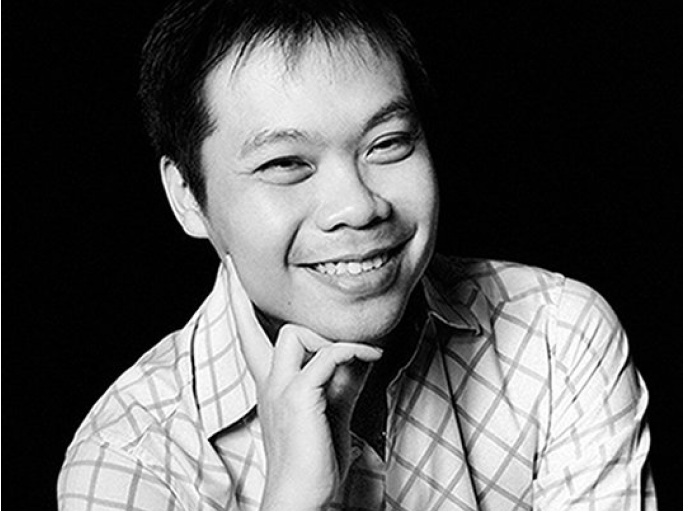
About Our Plastic Surgeon
Consultant Plastic & Cosmetic Surgeon MB ChB (Aberdeen), FRCS (Ireland), FAMS
Dr Colin Tham is an MOH-accredited plastic surgeon in Singapore with expertise in aesthetic and reconstructive procedures. After obtaining his Bachelor of Medicine and Surgery from the University of Aberdeen, Scotland, Dr Tham specialised in plastic surgery. He set up the Aesthetic Centre in Singapore’s premier KK Women’s and Children’s Hospital, where he continues to serve as a visiting consultant. Dedicated to achieving natural-looking results, Dr Tham has been involved in the development of several non-invasive aesthetic procedures. Recognised for his expertise, Dr Tham is frequently invited to train doctors internationally, contributing to the global development of aesthetic medicine.