

Why Do Minor Cosmetic Procedures Require Surgical Expertise?

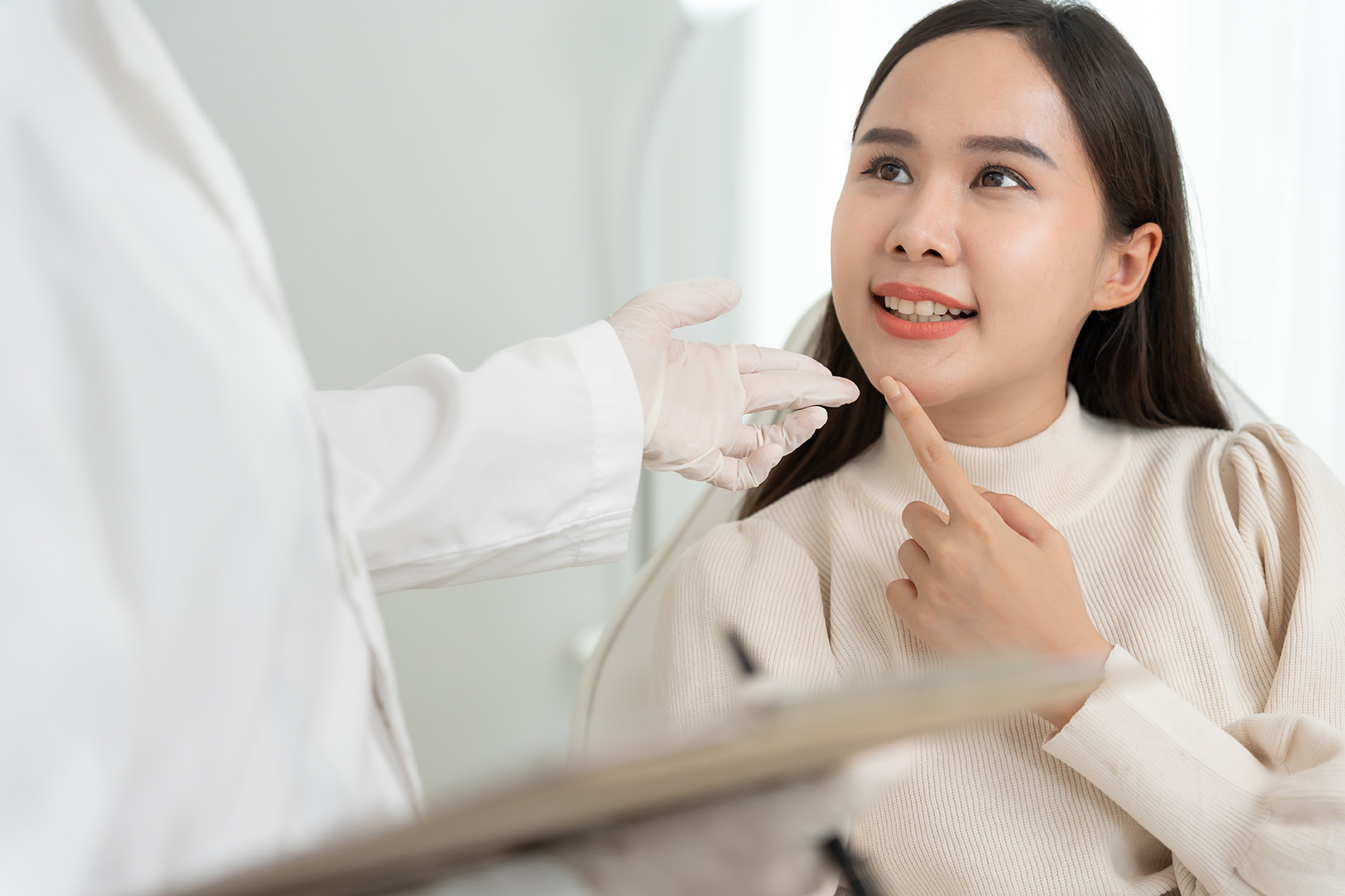
Many cosmetic treatments involve relatively minor adjustments, but even subtle changes can have a significant impact on facial appearance. Whether the goal is to refine the nose, enhance the lips, improve eyelid appearance or restore facial volume, achieving a natural-looking result requires careful planning and precision.
This is why surgical expertise remains important, even for minor cosmetic procedures. A qualified plastic surgeon understands facial anatomy, tissue behaviour, aesthetic balance and potential risks, helping ensure that changes enhance rather than disrupt a person's natural features.
Key Takeaways
- Minor cosmetic changes can have a significant effect on overall facial balance and appearance.
- Natural-looking results depend more on precision and judgement than the amount of treatment performed.
- Surgical expertise helps predict how facial tissues will respond and heal over time.
- Experienced specialists assess the entire face rather than treating individual features in isolation.
- Careful planning helps minimise risks such as asymmetry, overcorrection and unnatural-looking outcomes.
How Can Minor Cosmetic Changes Affect Overall Facial Appearance?
Minor cosmetic changes can have a significant effect because the face is not viewed in separate parts. Each feature contributes to overall facial balance, proportion and expression. A minor adjustment to the lips, eyelids, nose or facial contours can influence how the rest of the face appears.
The aim is usually not to create a dramatic change, but to refine existing features in a way that looks natural. Even a minimal amount of correction can improve harmony when performed appropriately.
However, overcorrection is often more noticeable than undercorrection. Too much volume, excessive tightening, or an overly aggressive adjustment can make the result appear unnatural or unbalanced. For many patients, the best outcome is one that looks refreshed and refined without making it obvious that a procedure has been performed.
Why Is Precision More Important Than Doing More?
In cosmetic treatment, more does not always mean better. Precision often matters more than the amount of treatment performed, especially when the goal is a subtle, natural-looking result.
Lip Enhancement Requires Careful Placement
Lip enhancement may involve only a minimal amount of dermal filler. When placed carefully, it can improve shape, definition and balance. When too much filler is used, or when it is placed poorly, the lips can appear disproportionate or distorted.Minor Changes in Eyelid Surgery Can Affect Appearance and Function
The same principle applies to ptosis surgery. Minor adjustments to the eyelid position can create a brighter, more refreshed appearance while improving visual function. However, excessive correction may affect eyelid closure, comfort, or symmetry. Careful planning and precise surgical technique help achieve a balanced result that looks natural and functions well.Rhinoplasty Refinement Relies on Millimetre-Level Adjustments
In rhinoplasty procedures, even tiny changes in projection, bridge height, or tip definition can alter the way the nose fits with the rest of the face. A change that appears minor in isolation can have a noticeable effect on facial harmony.These examples show why minor cosmetic changes require careful planning and technical accuracy. The challenge is not simply making a change, but making the right change in the right amount.
How Does Surgical Expertise Influence Cosmetic Results?
Surgical expertise is valuable because cosmetic procedures do not end with the treatment itself. A specialist must be able to assess how tissues, facial structures and proportions may respond over time.
Assessing Facial Balance from Every Angle
This begins with a three-dimensional assessment of the face. Rather than looking at one concern alone, a surgeon considers facial balance from different angles, including symmetry, contour, volume and expression. This helps ensure that a proposed treatment complements the patient's natural features.Understanding Tissue Behaviour and Healing
Understanding tissue behaviour is also important. Skin elasticity, soft-tissue thickness, muscle movement and healing patterns can all influence the final result. What works well for one patient may not be suitable for another, even if they are seeking a similar improvement.Planning for Long-Term Results
Surgical training also supports long-term aesthetic planning. A specialist can consider whether a non-surgical treatment is likely to meet the patient's goals, whether a staged approach is more appropriate, or whether surgery may provide a more reliable result.Managing Risks and Potential Complications
Safety is another key consideration. Even minor procedures can carry risks, including infection, asymmetry, scarring, adverse reactions, or vascular complications. Surgical expertise helps with prevention, early recognition and appropriate management if complications occur.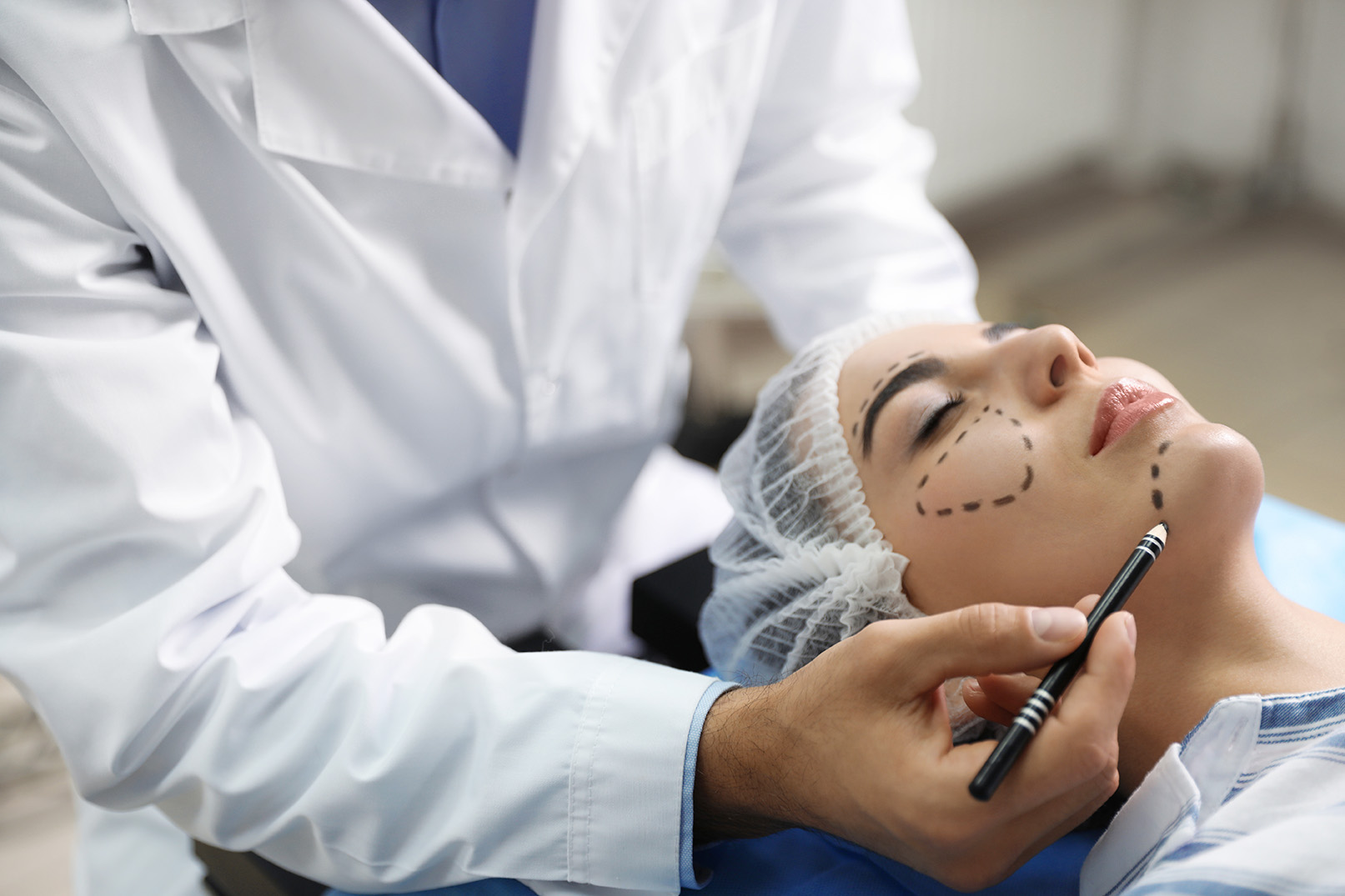
Why Is Treatment Planning Just as Important as the Procedure Itself?
There is a difference between simply performing a cosmetic procedure and designing a result that suits the patient's face.
Patients are not only paying for filler placement, a laser treatment, or a minor procedure. They are paying for judgement, restraint and aesthetic planning. These qualities are especially important when the desired outcome is subtle.
A surgeon's role is to determine whether treatment is needed, how much treatment is appropriate, where it should be performed, and whether another approach may be more suitable. In some cases, the best recommendation may be to avoid treatment altogether.
This level of judgement helps protect patients from unnecessary procedures, overcorrection and results that do not suit their natural features. The goal is not to change the face dramatically, but to create balanced, refined improvements that look appropriate for the individual.
For minor cosmetic changes, expertise matters because the margin for error can be narrow. A well-planned, carefully executed treatment can enhance facial harmony, while an excessive or poorly placed change can be difficult to conceal.
How Dr Colin Tham Approaches Minor Cosmetic Enhancements
Minor cosmetic procedures may seem straightforward, but achieving safe, natural-looking results requires expertise, precision and a thorough understanding of facial anatomy. Whether you are considering injectables, skin rejuvenation treatments, or other non-surgical enhancements, choosing an experienced specialist can make a significant difference to both your results and overall treatment experience.
At Colin Tham Plastic Surgery, patients receive personalised treatment plans designed to enhance their natural features while addressing their unique aesthetic concerns. Led by Dr Colin Tham, the clinic combines surgical expertise with advanced non-surgical techniques to help patients achieve balanced, refined outcomes.
If you are considering a cosmetic procedure and would like professional guidance on the most suitable treatment options, book a consultation with us today.
Frequently Asked Questions (FAQs) About Surgical Expertise for Minor Cosmetic Changes
The longevity of results varies depending on the treatment performed, the area treated, and individual factors such as age, lifestyle, and metabolism. Some treatments may last several months, while others can provide results for a year or longer. During a consultation, your practitioner can explain what to expect and whether maintenance treatments may be beneficial.
A cosmetic consultation typically involves a discussion of your concerns, aesthetic goals, medical history, and treatment options. The practitioner will assess your facial features or treatment area, explain the potential benefits and limitations of available procedures, and recommend a personalised treatment plan. This process helps ensure realistic expectations and informed decision-making.
Many individuals choose cosmetic procedures before significant signs of ageing develop. Preventative treatments can help maintain skin quality, address early volume loss, and reduce the formation of deeper lines over time. The most appropriate approach depends on factors such as age, skin condition, and aesthetic goals, making a professional assessment an important first step.