

Eyebag Surgery vs Fillers: Navigating Under-Eye Volume Loss
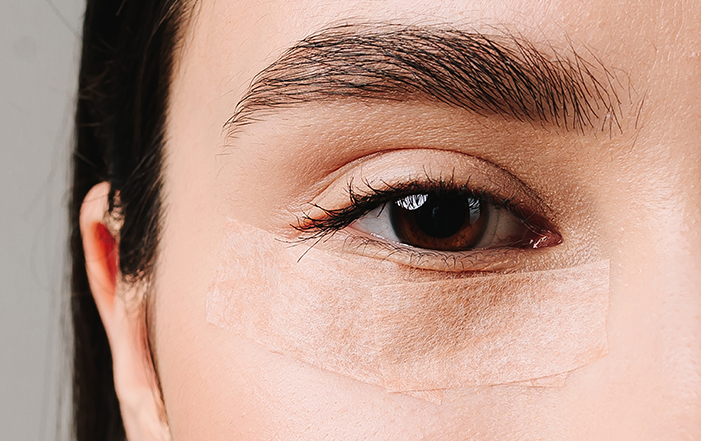
Overview
Many individuals notice a tired or aged appearance caused by changes in the under-eye area, often attributed to either prominent eyebags or a loss of volume. While both surgical and non-surgical treatments can address these concerns, they function in fundamentally different ways.
For instance, dermal fillers act as a temporary volumiser, physically plumping the hollow tear trough to smooth the transition between the eyelid and the cheek. In contrast, surgical intervention addresses the structural root of the problem by either removing or repositioning the displaced fat pads that create a physical bulge. Essentially, one masks the shadow by adding volume, while the other eliminates the protrusion to restore a flat, youthful contour.
Given the structural differences between hollowing and fat protrusion, as well as their respective treatments, it’s essential to consult a professional to ensure you receive the right solution, so that your results are both effective and harmonious with your natural features.
Under-Eye Fillers: A Non-Surgical Approach to Hollowing
Dermal fillers are a common first step for addressing under-eye hollowing. By using a biocompatible hyaluronic acid gel, this non-invasive treatment physically plumps the area to smooth the transition between the lower eyelid and the cheek.
Mechanism of Action
The procedure works by replacing lost volume in the tear trough—the deep groove running from the inner corner of the eye toward the cheek. Injecting filler into this depression elevates the skin surface to match the surrounding tissue, effectively eliminating the shadows that create a tired look. This provides an immediate restoration of a smoother contour without the need for surgical incisions.
The Ideal Candidate
This approach is most effective for those seeking a refreshed appearance with virtually no downtime. Ideal candidates typically include those who:
- Possess Mild to Moderate Volume Loss: Showing visible hollowing in the tear trough area.
- Have Minimal Skin Laxity: Maintaining good skin elasticity without significant sagging.
- Do Not Have Prominent Eyebags: Lacking significant fat protrusion that would require surgical removal.
- Seek Non-Surgical Restoration: Preferring a volume-based treatment over tissue excision.
Longevity and Maintenance
Unlike surgical solutions, the results of under-eye fillers are temporary. Hyaluronic acid is naturally metabolised by the body over time, meaning the effects generally last between 9 and 12 months. To maintain the desired fullness and prevent the hollowing from reappearing, patients usually require cyclical follow-up sessions.
Potential Limitations
While highly effective for volume replacement, fillers have functional boundaries that patients must consider:
- Inability to Remove Fat: Fillers cannot physically eliminate an eyebag. Attempting to camouflage protruding fat pads with filler often results in a heavy, overfilled appearance.
- Risk of the Tyndall Effect: Placing filler too superficially can cause a bluish discolouration beneath the skin due to light reflecting through the gel.
- Tissue Constraints: Fillers do not address skin laxity; patients with significant sagging may require a surgical approach to achieve a smooth contour.
- Precision Requirements: Achieving a natural look requires expert placement to avoid lumpiness or visible edges in the delicate periorbital area.

Eyebag Surgery: Addressing Structural Fat Protrusion
Lower blepharoplasty, or eyebag surgery, is a clinical procedure designed to address the root cause of under-eye puffiness: displaced fat. Instead of masking the issue, this surgical approach removes or repositions the fat pads to create a flat, youthful contour.
Beyond The Surface
Unlike fillers, which sit on top of the bone or within the soft tissue, surgery involves direct intervention with the orbital fat. This procedure specifically targets the three fat compartments under the eye that have herniated or bulged forward. By addressing these internal structures, surgery provides a permanent change to the under-eye contour that topical or injectable treatments cannot replicate.
Surgical Precision And Techniques
The method of entry is tailored to the patient’s specific anatomy and the quality of their skin:
- Transconjunctival (Scarless) Incision: Performed through the inside of the lower eyelid, this technique is ideal for younger patients with good skin elasticity who only require fat removal or repositioning.
- Subciliary Incision: Made just below the lash line, this approach is used when there is a need to trim excess, sagging skin, along with managing the underlying fat pads.
The Fat Repositioning Technique
Modern eyebag surgery often focuses on repositioning rather than simple excision. Instead of removing all the fat—which can sometimes leave the eye looking hollow later in life—the specialist shifts the fat into the tear trough area. This dual-action approach simultaneously flattens the protrusion and fills the hollow, creating a seamless, natural transition from the eye to the cheek.
The Permanent Advantage
The primary benefit of surgery is its longevity. While the results of injectables fade as the body metabolises the product, surgical results are considered a long-term structural solution. Key advantages include:
- Physical Fat Removal: Once the displaced fat pads are altered, they do not typically regrow or return to their previous state.
- Decade-Long Results: While the face continues to age naturally, the specific baggy appearance is effectively reset for 10 to 15 years.
- Cost-Efficiency: Over a long period, a single surgical procedure often proves more cost-effective than a decade of bi-annual filler maintenance.
Comparative Analysis: Choosing Your Path
Choosing between fillers and surgery depends on your anatomical needs, lifestyle, and long-term aesthetic goals. While fillers offer an immediate, non-invasive fix, surgery provides a structural correction that addresses the root cause of ageing in the under-eye area.
The following table provides an even comparison between non-surgical and surgical options to help you determine which alignment best suits your requirements:
Criteria | Under-Eye Fillers | Transconjunctival (Scarless) Surgery | Subciliary (Traditional) Surgery |
|---|---|---|---|
| Primary Target | Hollowing and tear troughs | Internal fat protrusion (bags) | Fat protrusion and loose skin |
| Procedure Time | 15-30 minutes | 45-60 minutes | 60-90 minutes |
| Recovery Outlook | Minimal; possible mild bruising | 5-7 days of swelling/redness | 7-10 days; involves stitch removal |
| Main Advantage | No downtime; reversible | Permanent result; no external scar | Addresses sagging skin and fat |
| Main Limitation | Main LimitationTemporary; cannot remove fat | Does not tighten loose skin | Requires external incision |
Disclaimer: The figures presented are clinical guidelines only; for an accurate and personalised price list, please consult your clinic of choice directly.
Restore Your Natural Under-Eye Contour with Dr Colin Tham
Choosing between fillers and surgery depends entirely on whether your under-eye concerns are caused by a lack of volume or structural fat protrusion. While dermal fillers offer an efficient, non-invasive solution for hollowing, they cannot physically eliminate the bulging associated with true eyebags. Conversely, surgical intervention provides a definitive, long-term correction by addressing the anatomical root of the problem, offering a smooth and rejuvenated contour that lasts for over a decade.
To achieve an outcome that is both safe and harmonious with your natural features, a professional clinical assessment is essential. At Colin Tham Plastic Surgery, Dr Colin Tham provides tailored treatment plans designed to restore a refreshed appearance with precision and care.
If you’re ready to address under-eye concerns with a bespoke clinical approach, reach out to our team today to schedule a consultation.
Frequently Asked Questions (FAQs) About Eyebag Surgery & Fillers
Can fillers make my eyebags look worse?
If volume is added to an area already experiencing fat protrusion, fillers can exacerbate puffiness rather than masking it. This often results in a heavy appearance or a bluish tint known as the Tyndall effect. A precise clinical diagnosis is therefore essential to ensure the treatment addresses hollowing rather than highlighting a bulge.
Is eyebag surgery painful compared to injections?
While injections involve several sharp stings, surgery is performed under local anaesthesia with sedation to ensure a completely pain-free experience. Post-operative discomfort is typically described as mild tightness or soreness rather than acute pain. Most patients find the recovery manageable using simple oral medication and cold compresses to control swelling.
How long do the results of a lower blepharoplasty actually last?
Lower blepharoplasty provides a long-term structural solution because the displaced fat pads are physically removed or repositioned and do not typically regrow. While the procedure effectively resets the under-eye area, natural ageing will continue to affect skin elasticity over the next 10 to 15 years. Maintaining a stable weight and healthy lifestyle helps preserve the smooth, rejuvenated contour.
About Our Plastic Surgeon
Dr Colin Tham is an MOH-accredited plastic surgeon in Singapore with expertise in aesthetic and reconstructive procedures. After obtaining his Bachelor of Medicine and Surgery from the University of Aberdeen, Scotland, Dr Tham specialised in plastic surgery. He set up the Aesthetic Centre in Singapore’s premier KK Women’s and Children’s Hospital, where he continues to serve as a visiting consultant. Dedicated to achieving natural-looking results, Dr Tham has been involved in the development of several non-invasive aesthetic procedures. He is also a sought-after trainer for doctors internationally.